Inside Z00G, the AI Platform Rebuilding Fashion Campaigns
Explore Z00G, the AI platform helping fashion brands turn garment images into polished campaign visuals through a faster, more flexible workflow.
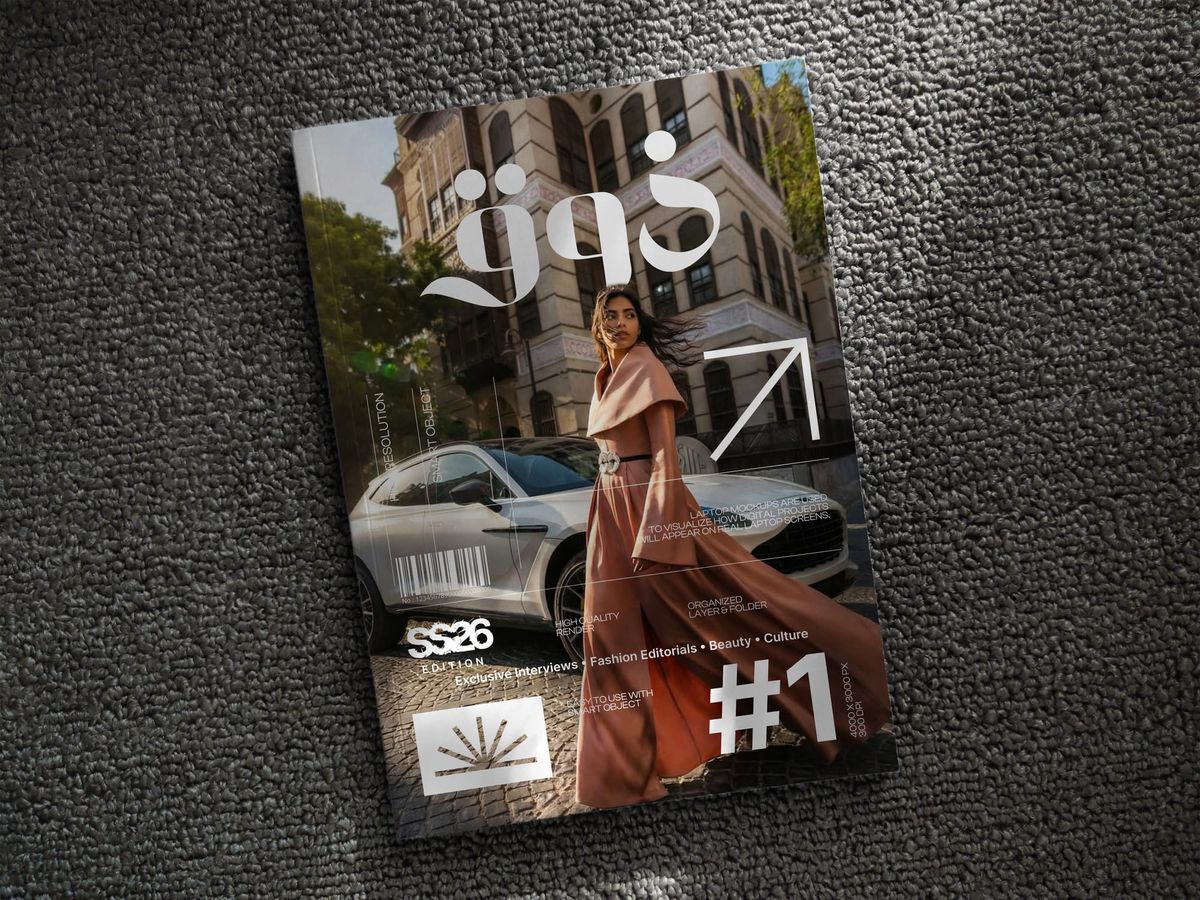
A lot of fashion brands do not struggle with the product. They struggle with everything that comes after it. The shoot needs to be planned. The model needs to be booked. The location needs to work. The images need to look polished enough for Instagram, a website, a launch, and sometimes a full collection drop. For many labels, that process takes more time, money, and coordination than people realize.
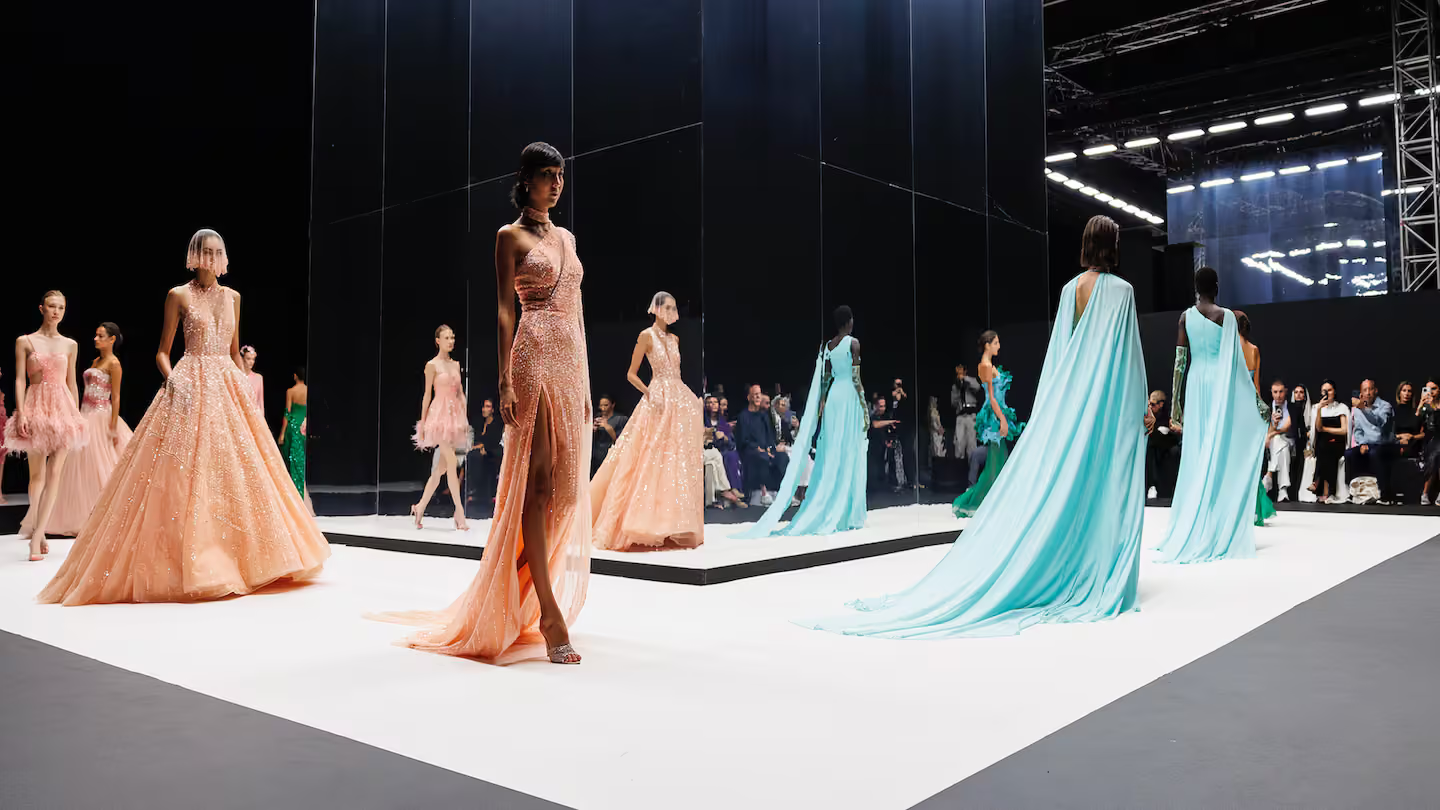
That is what makes a platform like ZOOG interesting. It speaks to a quiet frustration many fashion brands know well: the product may be strong, the vision may be clear, but the visual production needed to match that standard is often expensive, slow, and difficult to scale. In a space where image shapes desire, that gap can define how a brand is seen. ZOOG positions itself as a response to that challenge.
What is Z00G?
ZOOG is a fashion-focused AI platform built to help brands turn a clothing image into polished campaign visuals. Rather than acting like a general image generator, it is designed around the specific needs of fashion content. The platform allows users to upload a garment and guide the final output through elements such as model reference, setting, mood, shot type, and campaign purpose. In that sense, ZOOG is not simply making images. It is trying to recreate the structure of a fashion shoot in a faster, more accessible digital workflow.
Who Z00G Is Really For
ZOOG seems best suited to fashion businesses that need strong visuals often but cannot always rely on the time, cost, and coordination of repeated shoots. That includes:
- Emerging fashion brands seeking more polished visuals
- Boutique labels needing campaign imagery without repeated shoot costs
- Modest fashion brands focused on elevated visual storytelling
- Online sellers with frequent drops and constant content needs
- Social media content creators producing fashion visuals regularly
- Creative agencies and photographers building visuals for clients
- Larger fashion teams exploring scalable content workflows
Its clearest appeal is to brands that already have a strong product and a clear aesthetic, but need a faster and more flexible way to translate that into polished visual communication.
How Z00G Works
What makes Z00G more interesting is that it appears to approach image generation in a structured, fashion-specific way.
1) The Demo Version
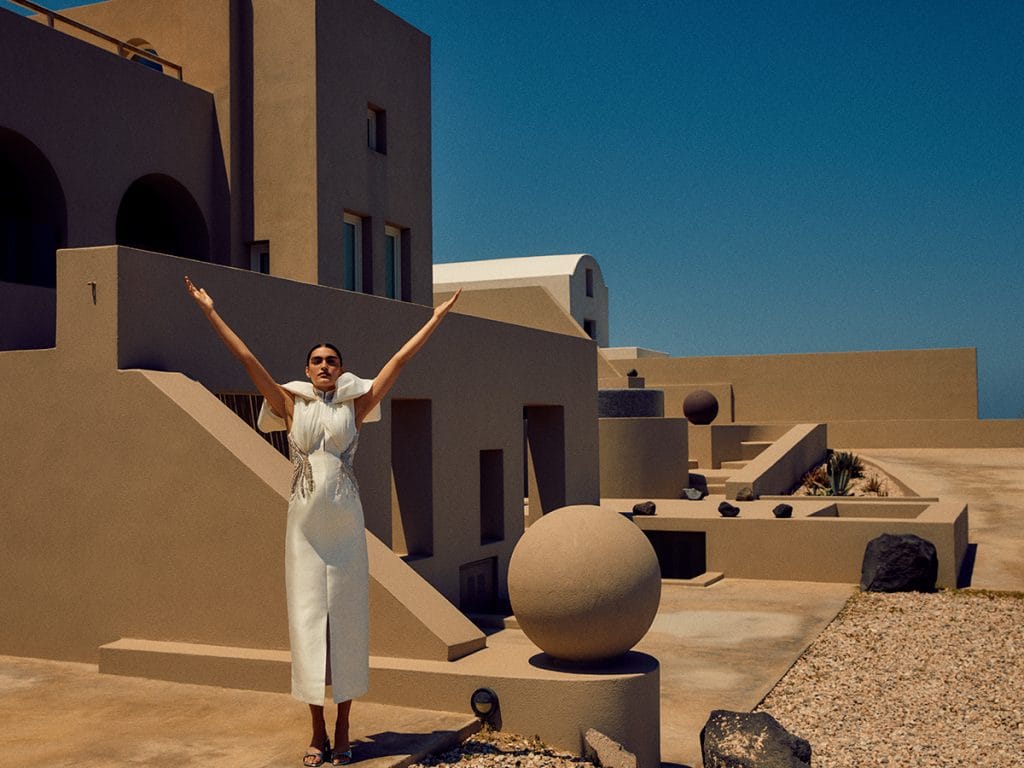
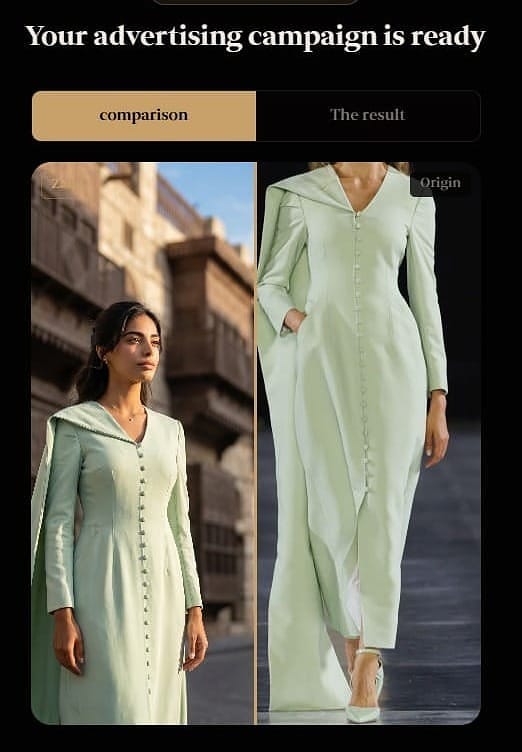
In the demo flow, the process is very simple. The user uploads one clear seed image of a clothing piece. From there, the platform analyzes the garment, generates a new model and a luxury setting, and merges them into a finished visual. The result is shown as a side-by-side transformation, usually contrasting a basic studio-style input with a more polished lifestyle campaign image.
This is smart as a first experience because it immediately communicates the platform’s promise. It shows the jump from product image to campaign image in a way that is easy to understand. From there, the user is encouraged to sign up or join a waitlist for fuller access and broader collection use.
2) The Full Dashboard Experience
The full-access version is where the platform becomes much more interesting. Instead of just uploading a garment and waiting for a result, the user begins directing the campaign through a four-step workflow.
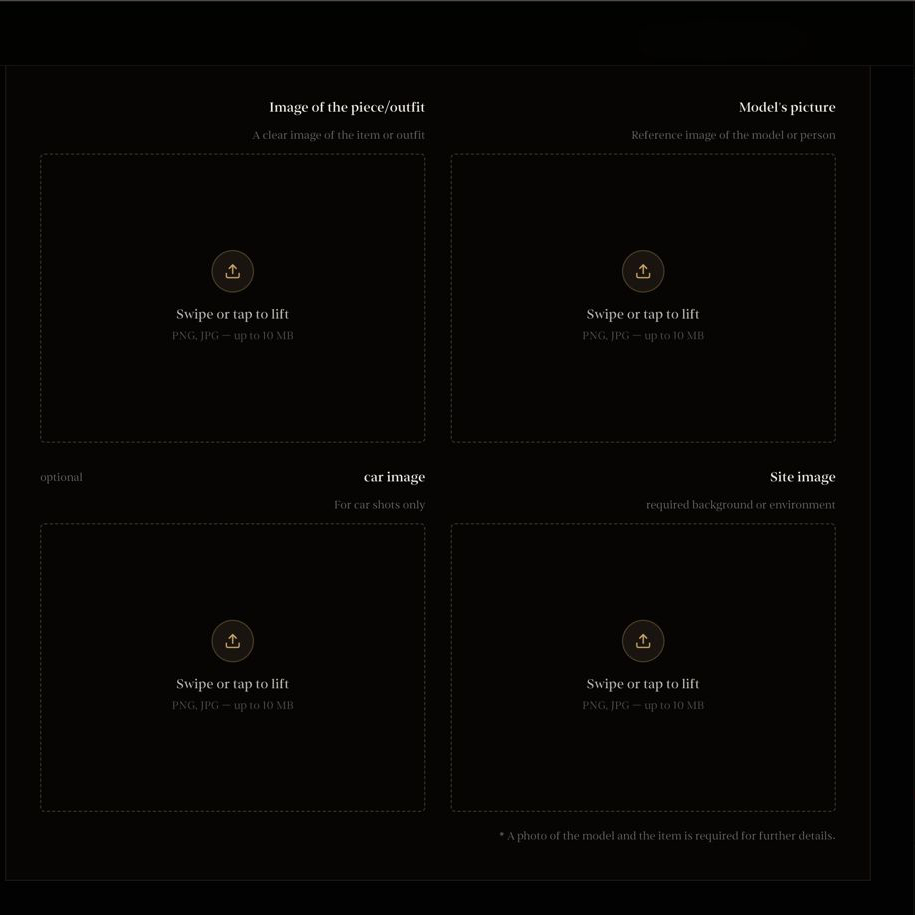
Step 1: Uploading the Assets
The process begins with four possible references.
- Image of the piece or outfit: a clear image of the garment, such as an abaya or dress
- Model image: a reference picture to guide the face and body type
- Site image: a reference for the desired background or environment
- Car image (optional): an additional asset for car-based campaign shots
This is a meaningful detail because it shows that Z00G is not only generating around the garment. It is trying to preserve brand control by letting the user guide the visual world around it.
Step 2: Selecting the Visual Mood
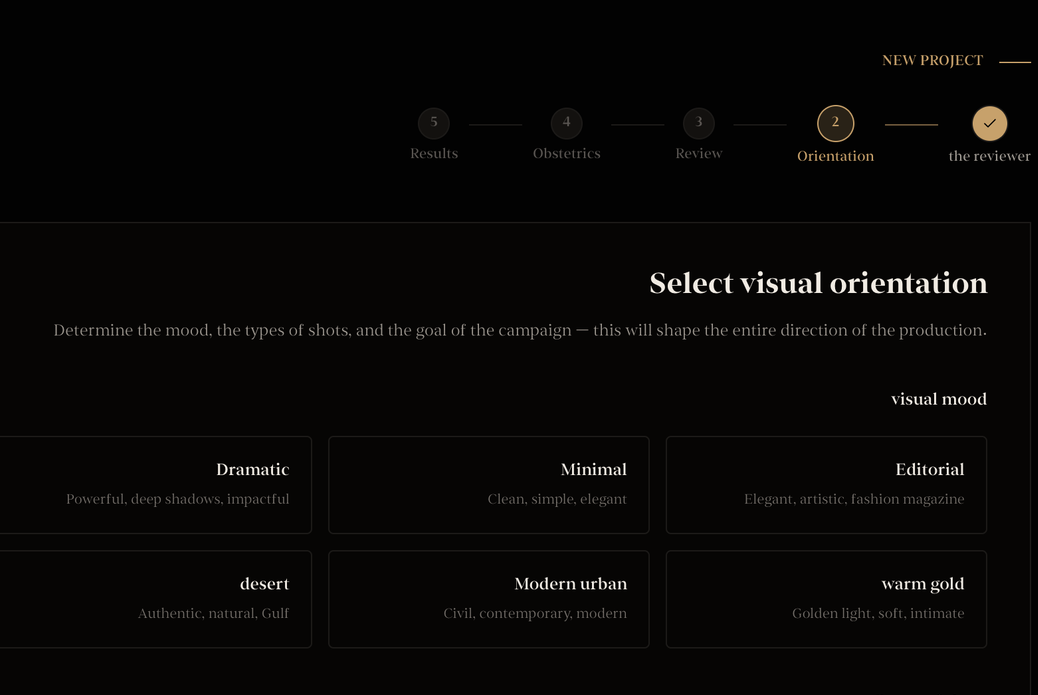
Next, the user chooses the overall mood of the campaign. The visual directions include:
- Dramatic
- Minimal
- Editorial
- Desert
- Modern Urban
- Warm Gold
This step is especially important as fashion imagery is not only about showing a product. It is about building an atmosphere around it. A dramatic campaign does not communicate the same thing as a minimal one. A desert-lit image carries a very different emotional and regional identity from a city-focused urban frame.
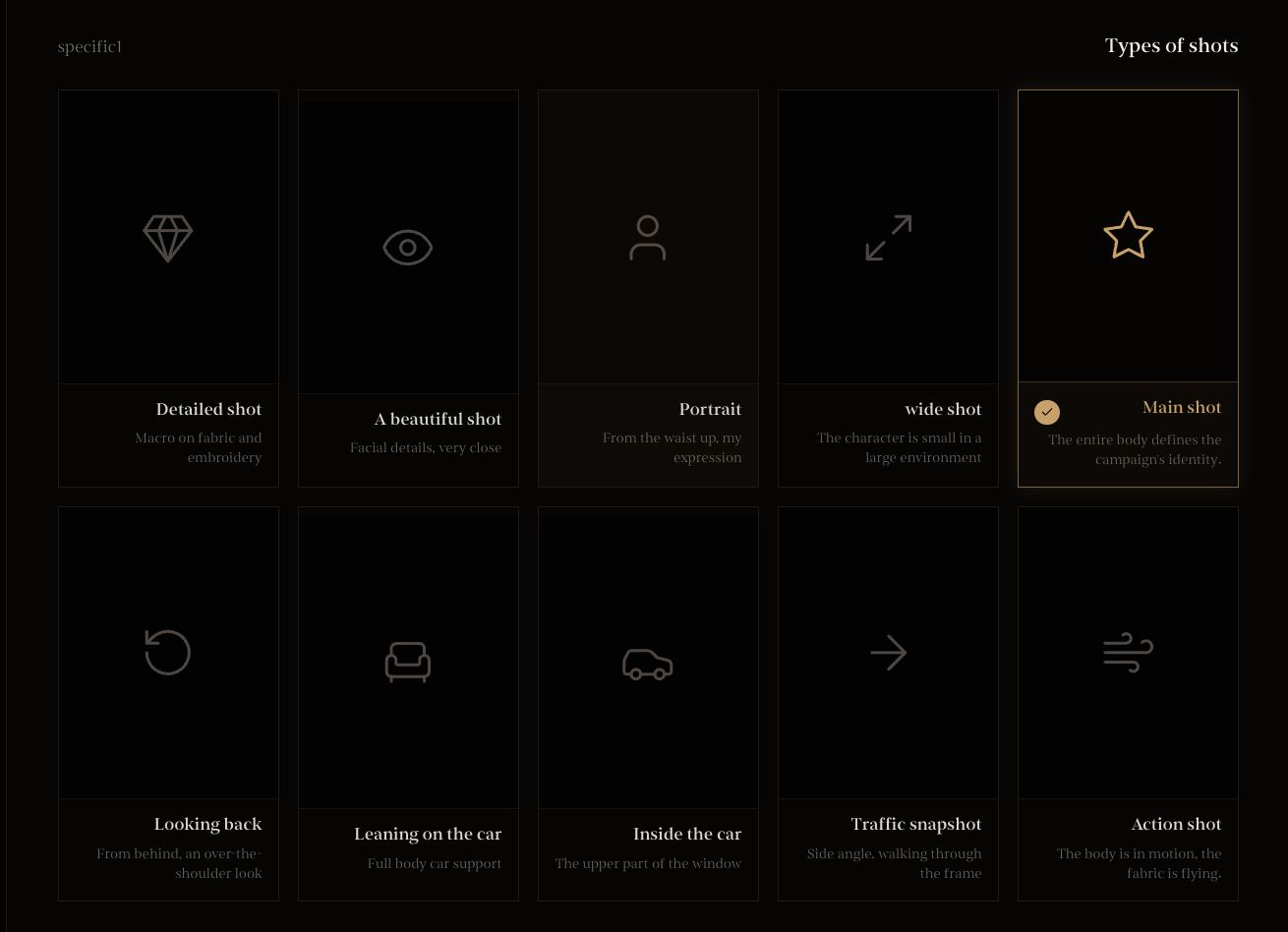
Step 3: Defining the Shot Types
This is where the dashboard starts to resemble creative direction rather than simple image generation. Users can choose how the “camera” frames the final output.
The shot options include:
- Detailed shot for embroidery, fabric, and close texture work
- Beautiful shot focused more closely on face and expression
- Portrait for classic waist-up framing
- Wide shot to place the subject within a full environment
- Main shot as the hero image for the campaign
- Unique angles such as looking back, leaning on the car, sitting inside the car, or fabric-in-motion action shots
This step gives the platform much more commercial value. It means the user is not just asking for a picture. They are shaping a full visual set with different campaign functions.
Step 4: Defining the Campaign Goal
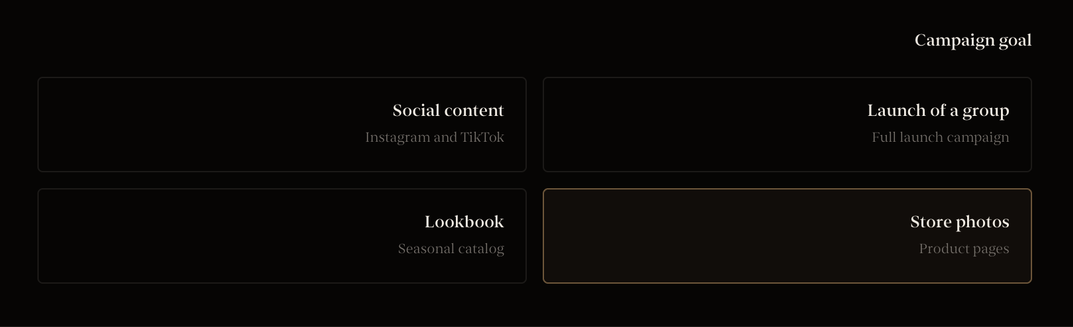
Finally, the user selects what the images are actually for. The platform optimizes the output depending on the intended use, with categories such as:
- Social content for platforms like Instagram or TikTok
- Launch of a group for a new collection release
- Lookbook for seasonal catalog presentation
- Store photos for e-commerce pages such as Shopify or Salla
That is one of the clearest signs that ZOOG is thinking like a fashion business tool. The same garment image does not serve every purpose in the same way. A social campaign needs one type of energy. A lookbook needs another. Store photos need clarity and standardization.
The Final Result
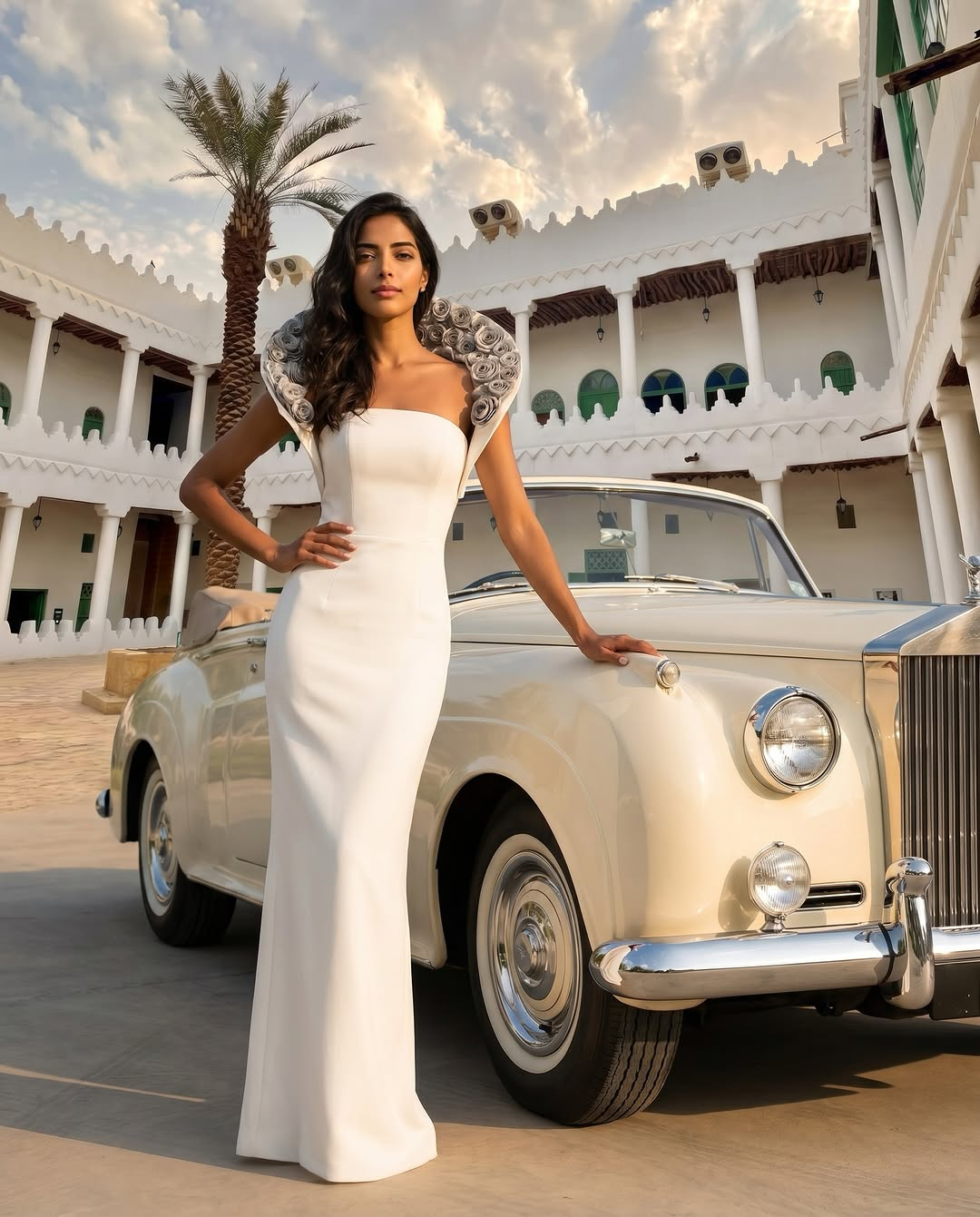
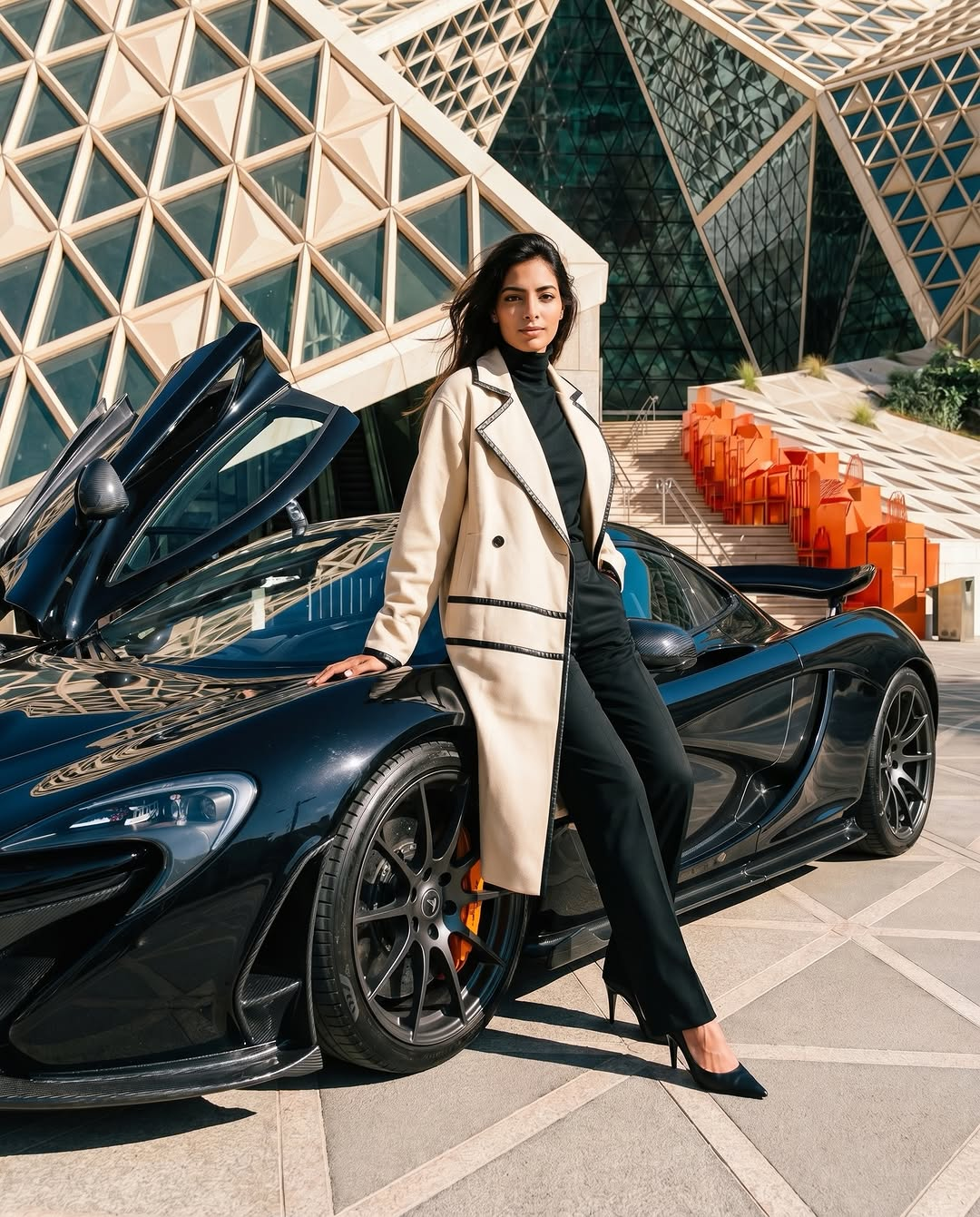
After the workflow is completed, the user receives a downloadable image gallery with multiple variations based on the selected settings. In the full access version, the outputs are described as high resolution, watermark-free, and ready for commercial use.
At that point, ZOOG is no longer just offering “AI images.” It is offering something much closer to a compressed digital production process, where one person can direct the core elements of a fashion shoot from a laptop.
What Makes Z00G Interesting in a Regional Context?
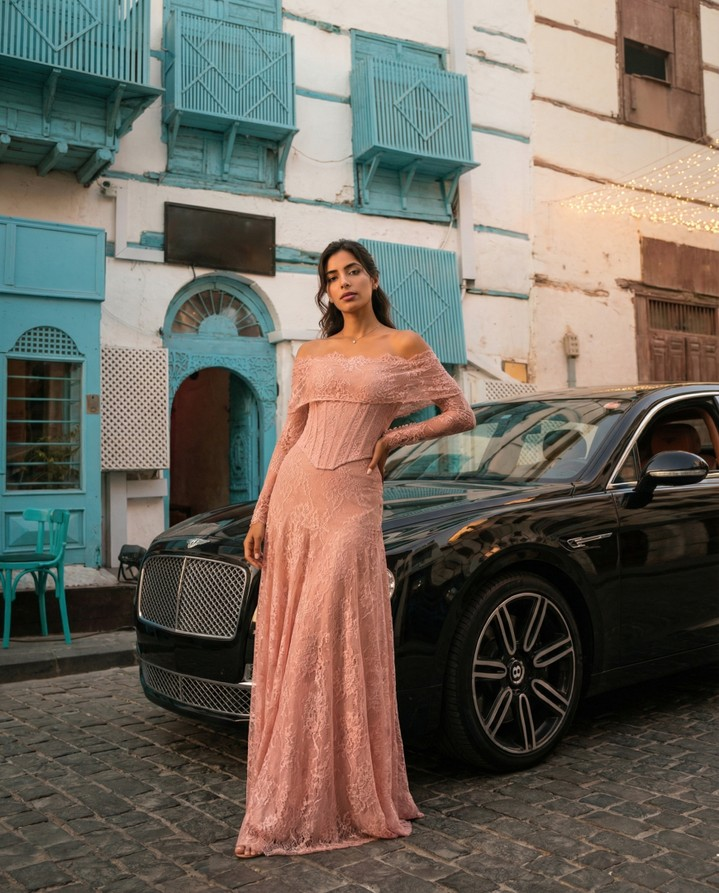
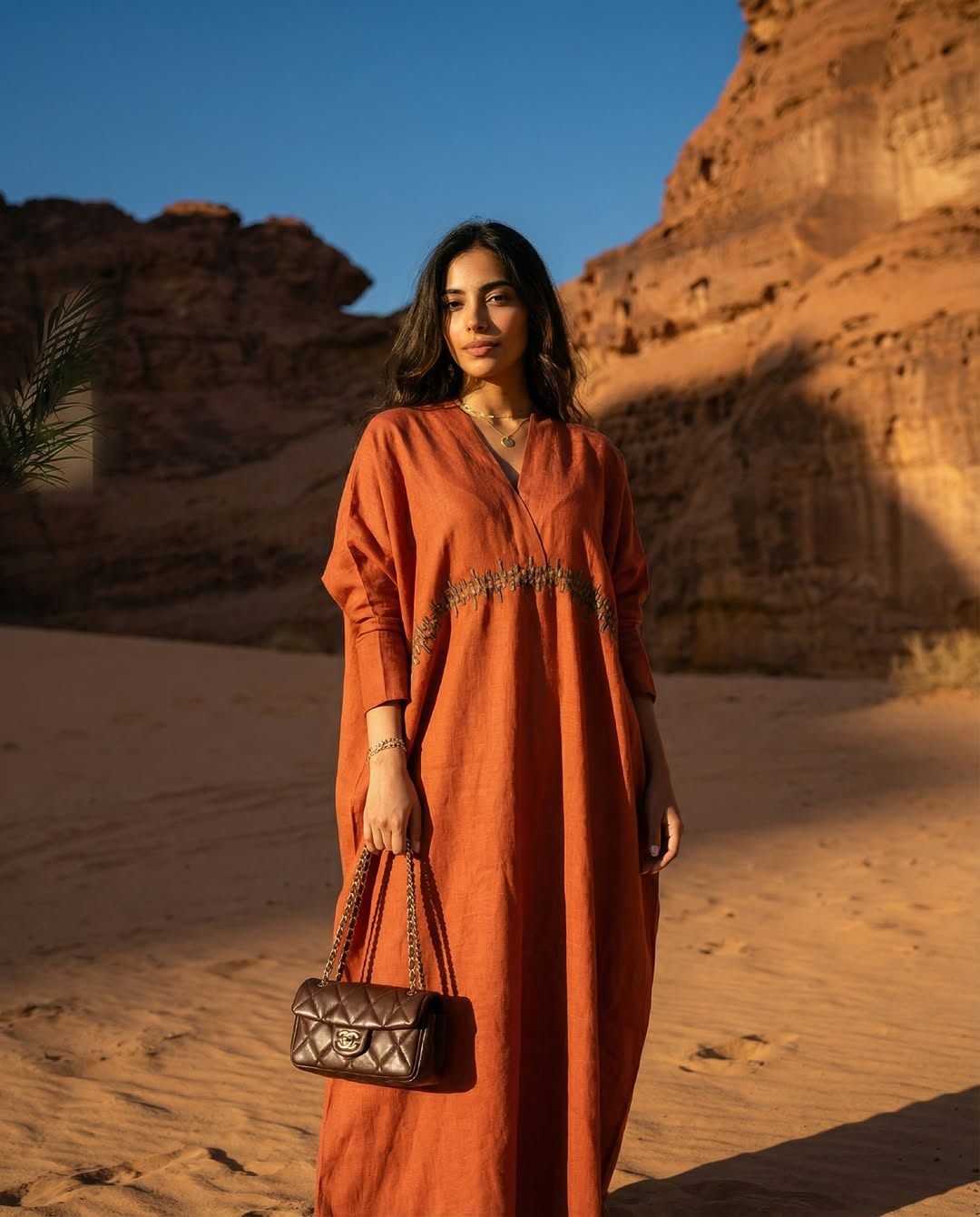
What makes ZOOG particularly compelling is not just that it uses AI, but that it appears to understand the market it is speaking to. Its relevance feels regional on more than one level. Visually, features like desert mood, warm gold lighting, and fashion-led campaign settings feel closer to the aesthetic language many Gulf brands already use. Commercially, its use cases seem well suited to categories such as abayas, modest fashion, and boutique labels, where presentation carries as much weight as product. And strategically, that gives Z00G a stronger local fit. It does not read as a generic AI tool dropped into fashion. It feels closer to a platform shaped around how this market wants to be seen.
The Bigger Question: Does AI Change Fashion Creativity?
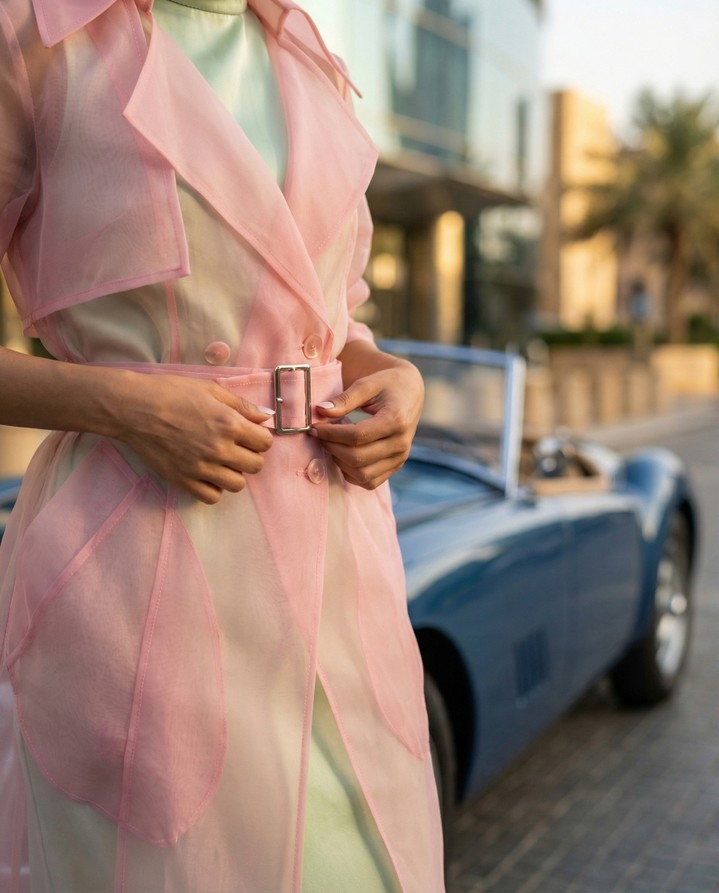
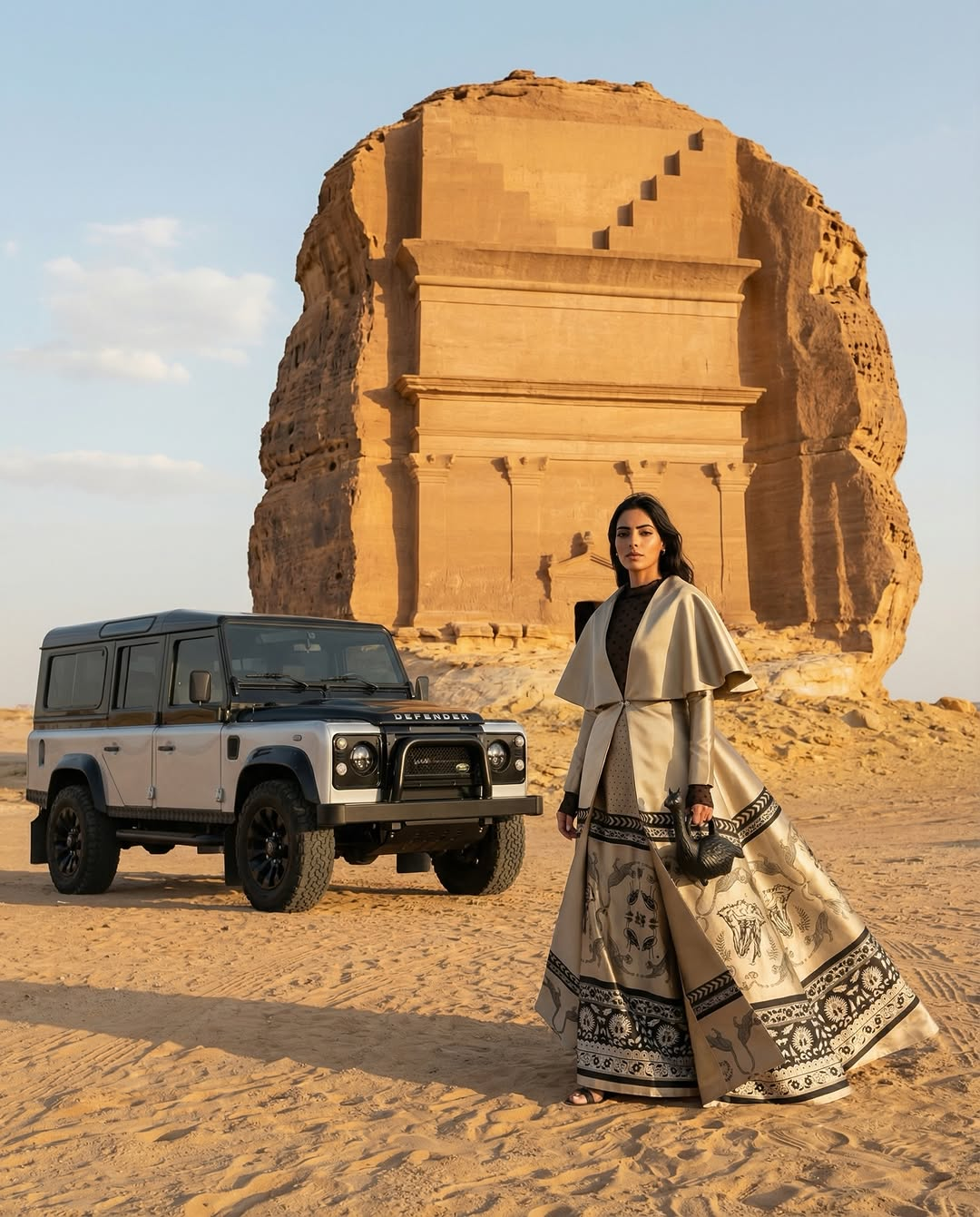
AI does not have to diminish fashion creativity. In many cases, it can expand it. Platforms like ZOOG give brands a faster and more accessible way to turn ideas into polished visual worlds, without removing the need for taste, direction, or identity. The creative vision still begins with the brand. What AI changes is the ease with which that vision can be developed, tested, and expressed. Rather than replacing creativity, tools like Z00G can give it more room to move.
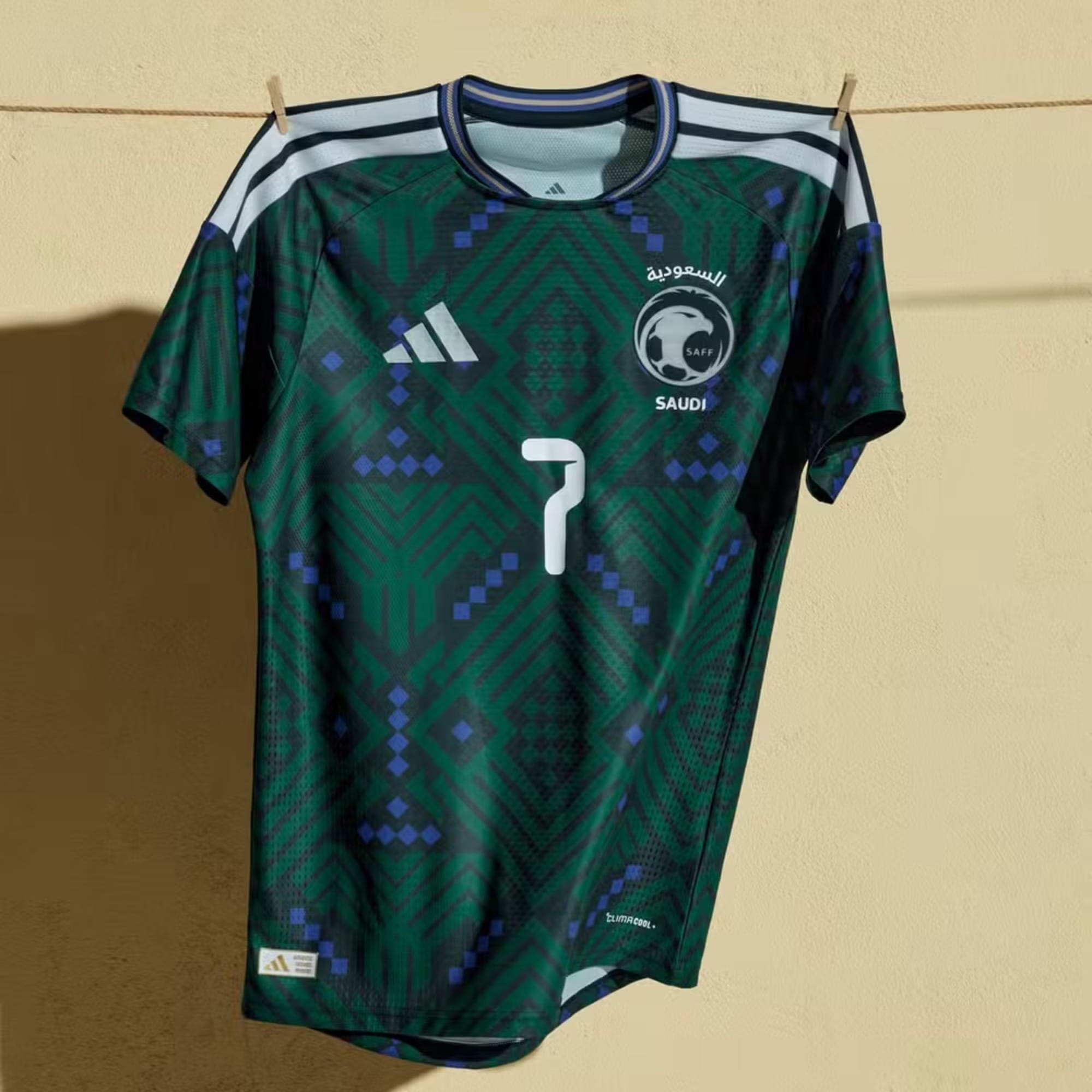
Why Z00G is Changing the Saudi Fashion Scene
The traditional photoshoot cycle usually takes weeks. With ZOOG, you can:
- Reduce Costs: No more daily rates for models or travel expenses for crews.
- Speed to Market: Go from a design sample to a full digital catalog in one afternoon.
- Consistency: Use the same "Virtual Model" for every drop, creating a recognizable face for your brand without the scheduling headaches.
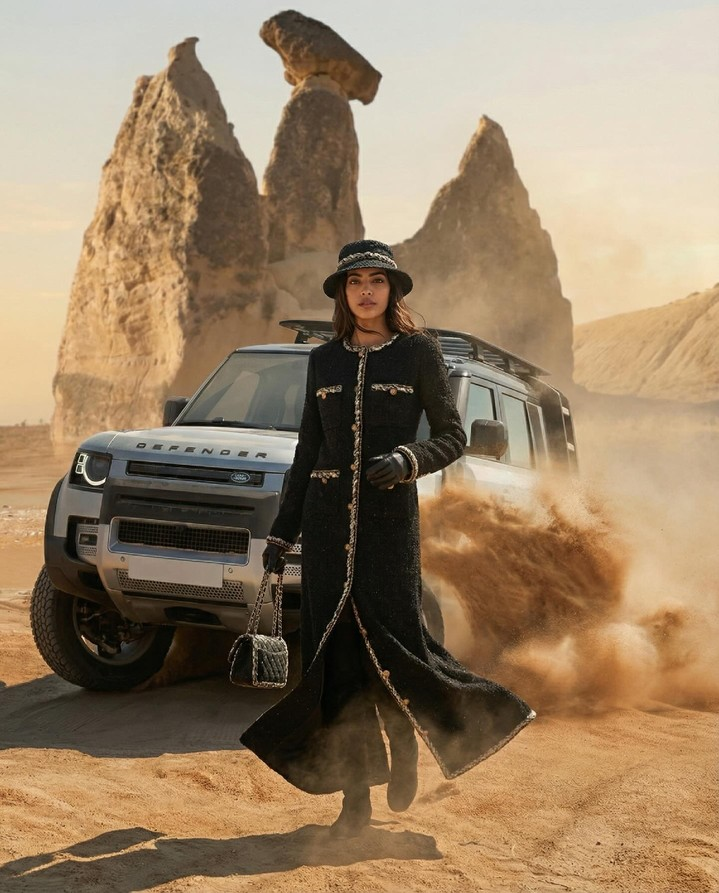
A New Fashion Workflowk
ZOOG is worth paying attention to not simply because it uses AI, but because it responds to a real shift in fashion itself. Today, strong design is only part of the equation. Brands are also expected to produce polished visuals quickly, consistently, and at a level that keeps pace with the market. In that context, Z00G feels less like a novelty and more like a sign of where fashion content is heading. It does not replace taste, direction, or identity, but it can give brands a faster and more flexible way to express them.
For a closer look at the platform and how it works, visit z00g.com.