Alya Alsalmi’s Historic Winter Olympic Debut for Team Saudi in Milan
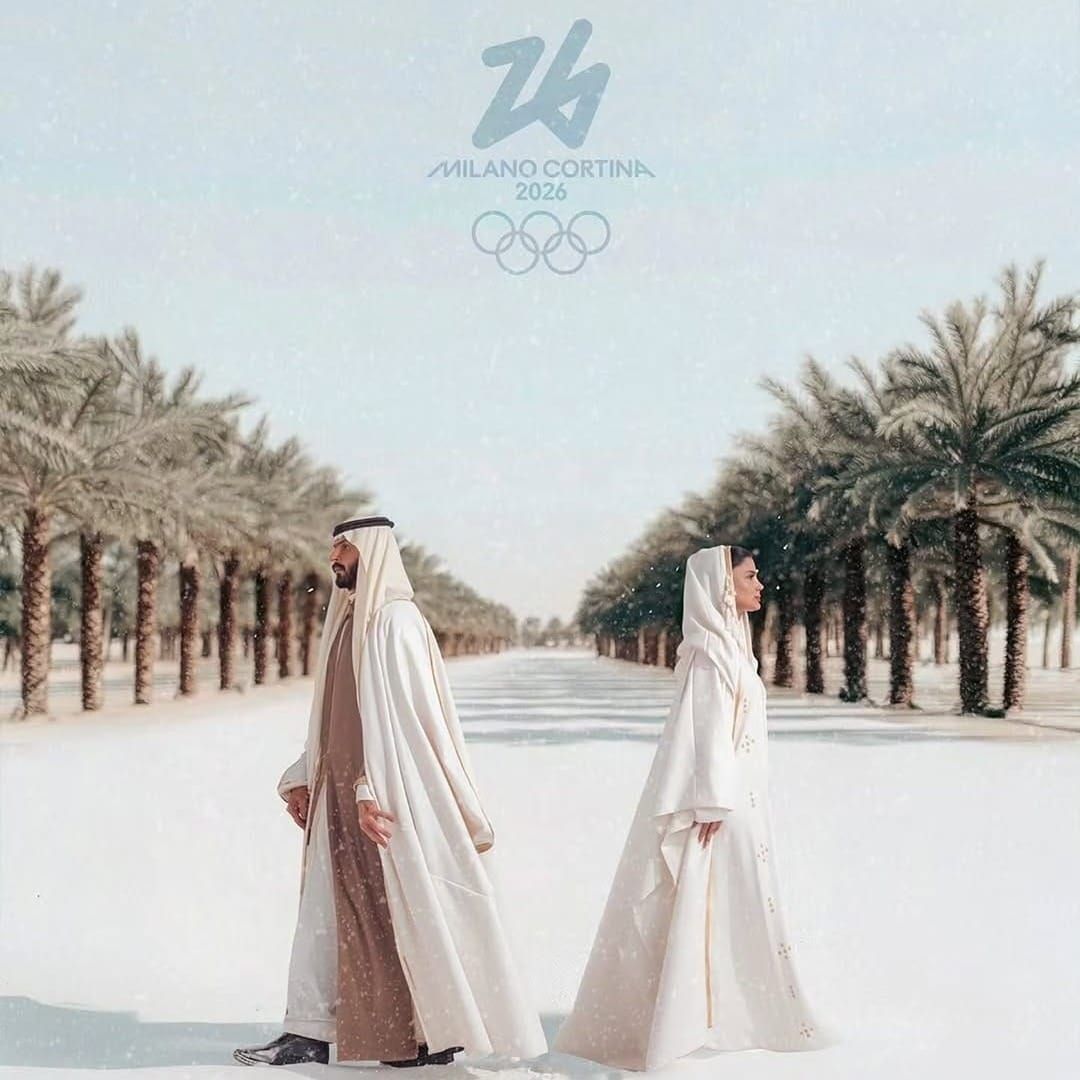
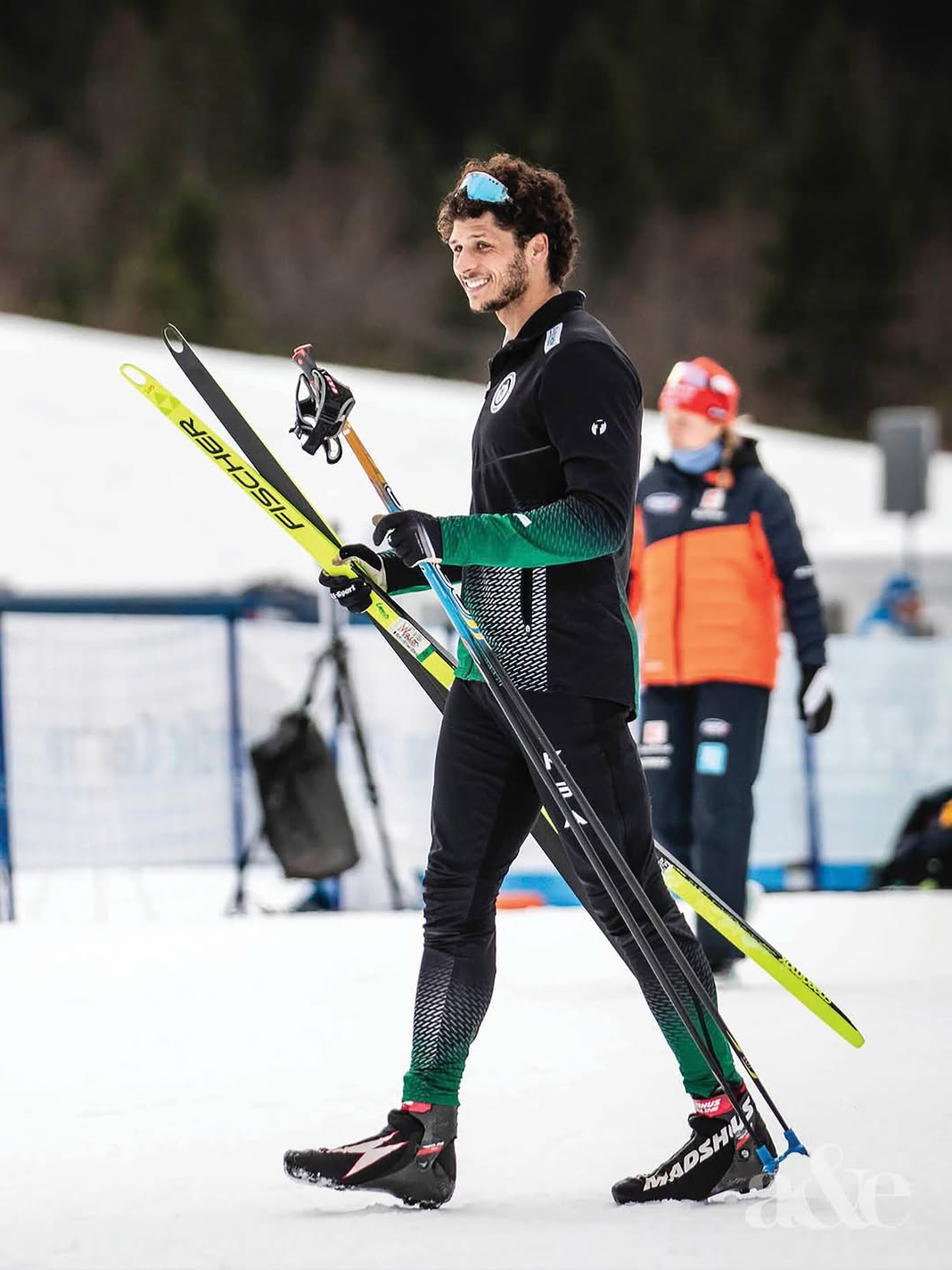
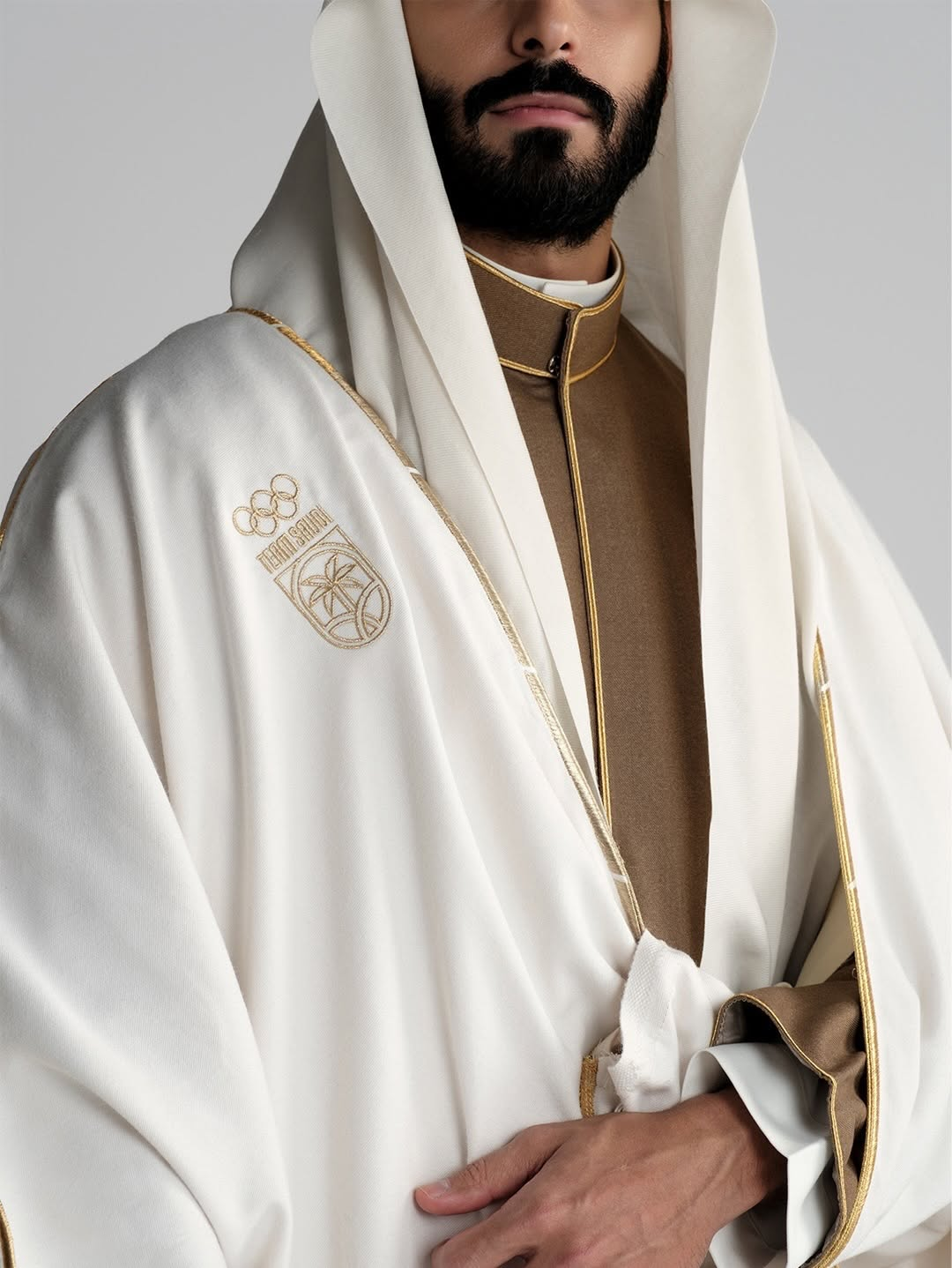
Saudi designer Alya Alsalmi blends heritage and modern luxury in Team Saudi’s Milan 2026 Winter Olympics uniforms, with skier Rakan Alireza wearing a white woven wool bisht in a contemporary silhouette.
Before the snow falls in 2026, before the Olympic flame is lit, a different kind of spotlight has already turned toward Saudi Arabia. One that blends sport, heritage, and high fashion. In Milan, the global capital of style, Saudi designer Alya Alsalmi stepped forward not just with fabric and thread, but with identity stitched into every seam.
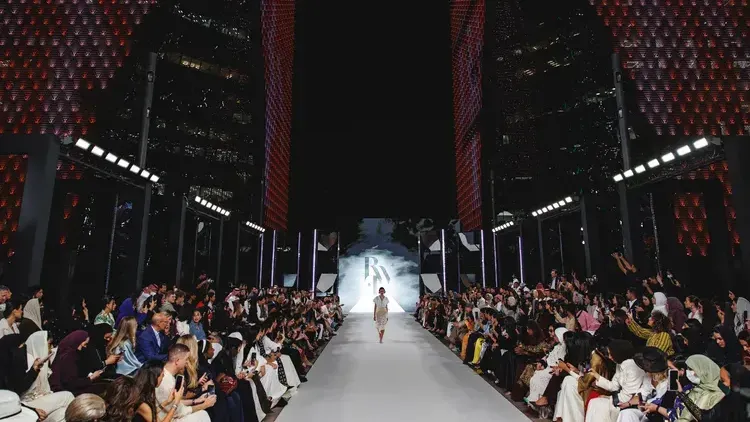
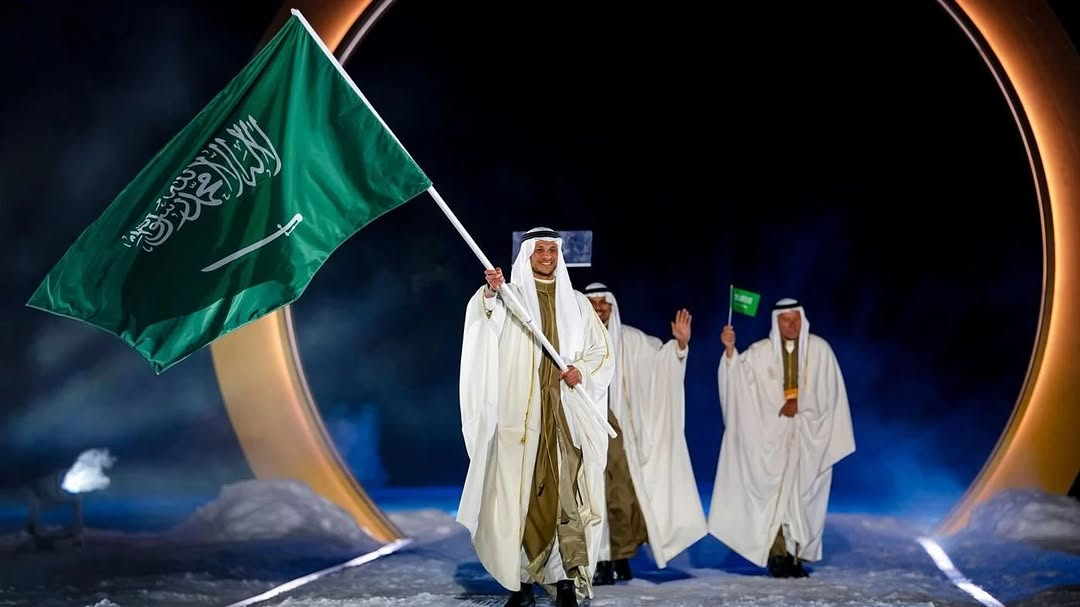
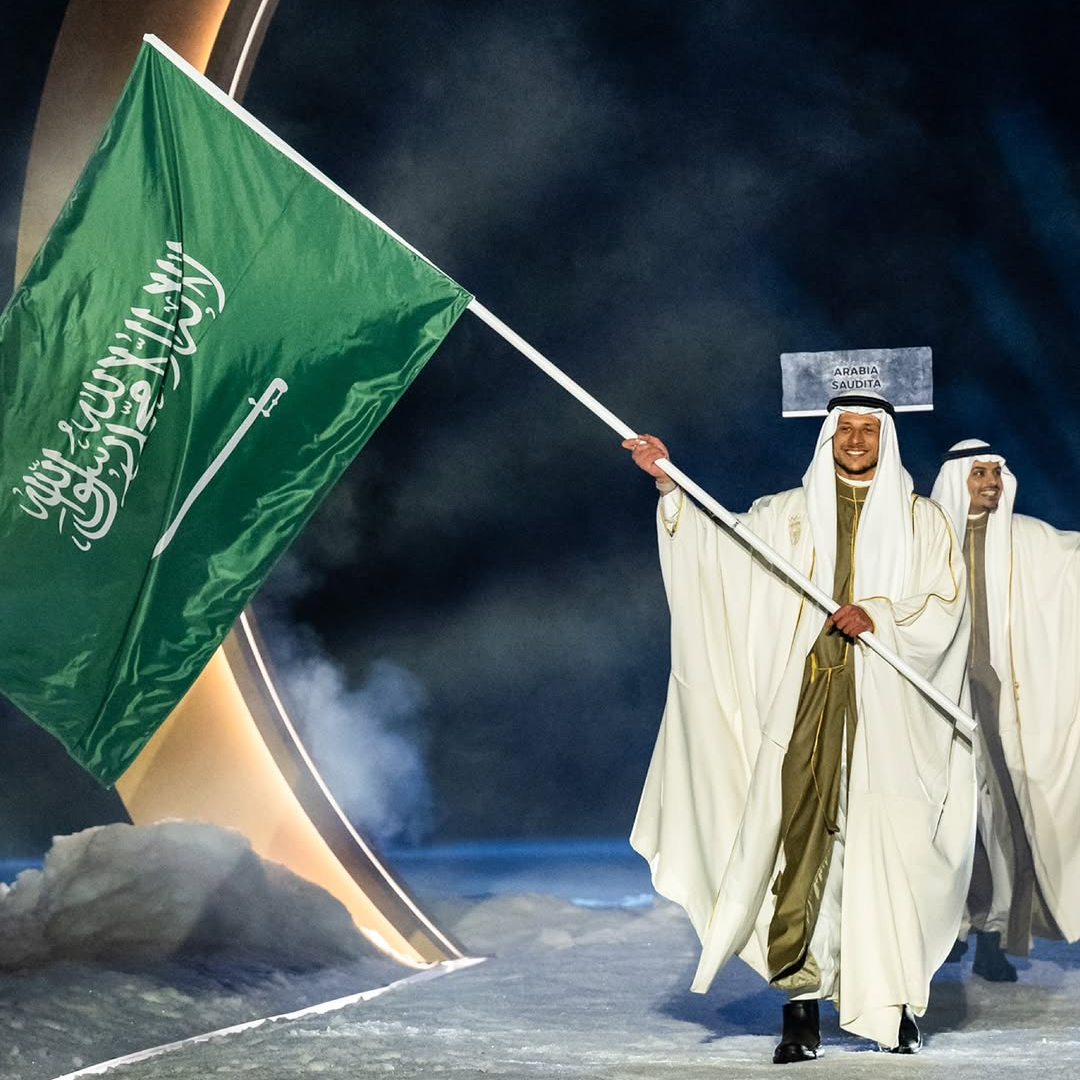
For the first time in history, Saudi Arabia became the only Arab nation to participate in the inaugural National Olympic Committees Fashion Show in Milan, a symbolic moment where couture met competition. And at its center stood Jeddah-born skier Rakan Alireza, dressed in a bespoke creation that fused tradition with Olympic ambition.
A Saudi Vision on an International Runway
The National Olympic Committees Fashion Show in Milan reimagined how nations present themselves ahead of the Olympic Games, through cultural storytelling rather than medals. Saudi Arabia’s presence marked a pivotal shift: from participation to representation.
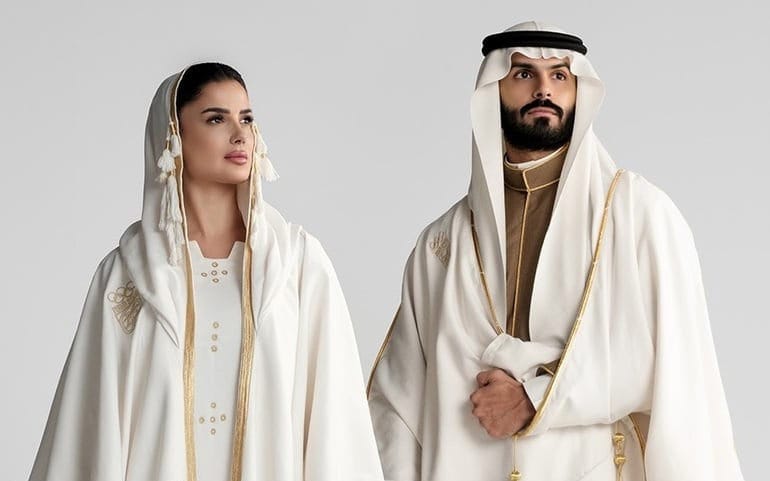
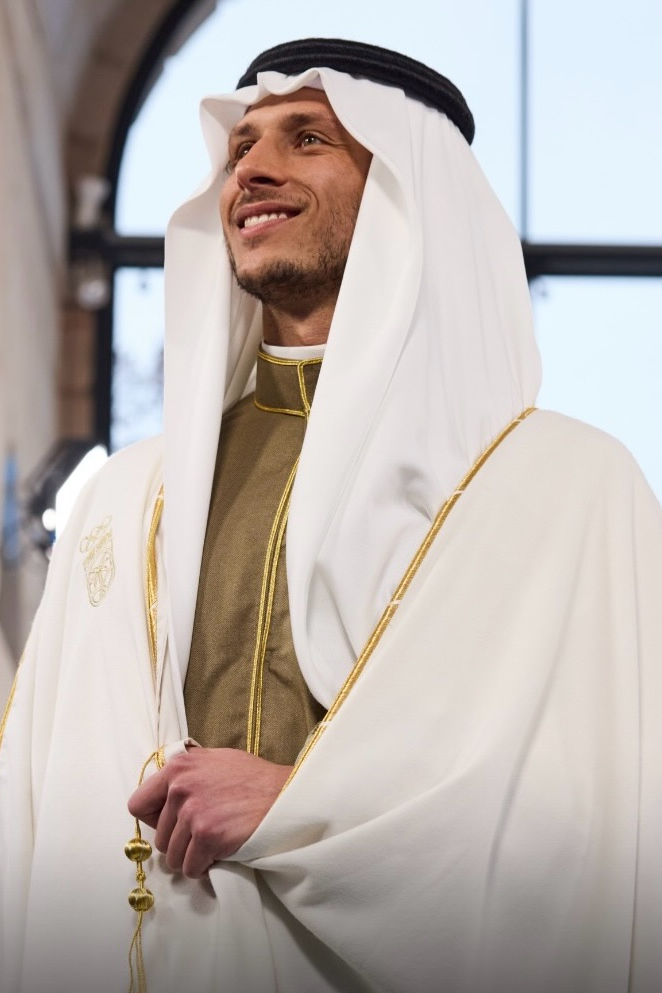
Alya Alsalmi was entrusted with designing a bespoke ensemble for Team Saudi, blending traditional Saudi tailoring with modern athletic symbolism. The look, worn by skier Rakan Alireza, featured a classic Saudi silhouette elevated with refined construction and emblazoned with the Team Saudi and Olympic insignia, bridging heritage and high performance.
Rakan Alireza: The Face of a New Sporting Era
Rakan Alireza is more than an athlete. He represents a generation of Saudis expanding into global sports arenas once considered distant. As a skier representing a desert-born nation in winter competition, his presence alone challenges perceptions.
Walking the Milan showcase in traditional attire, Alireza embodied a dual narrative: rooted in Saudi culture yet poised for the Winter Olympic stage. His participation signaled Saudi Arabia’s growing investment in winter sports, particularly relevant as the Kingdom prepares for Trojena, the futuristic mountain destination set to host the 2029 Asian Winter Games. In that moment, Milan was not just a fashion capital. It became a bridge between Riyadh’s ambitions and the Alpine world.


A White Bisht and the Reinvention of Al-Musaddah
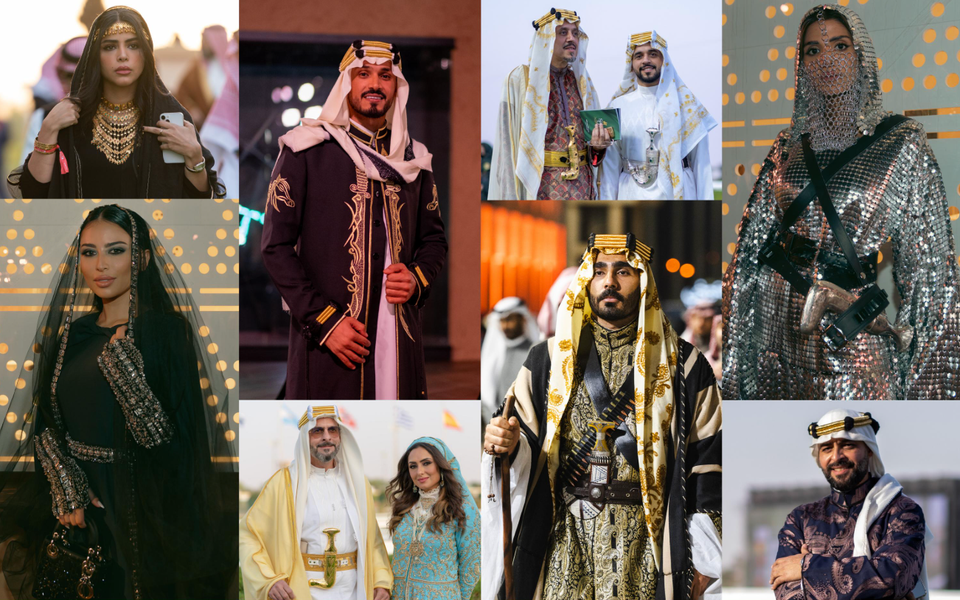
Blending heritage with modernity, Alsalmi created a white bisht crafted from woven wool, a piece that embodied prestige, dignity, and tradition. The clean silhouette and luxurious texture elevated the garment beyond ceremonial dress, transforming it into a symbol of national pride.
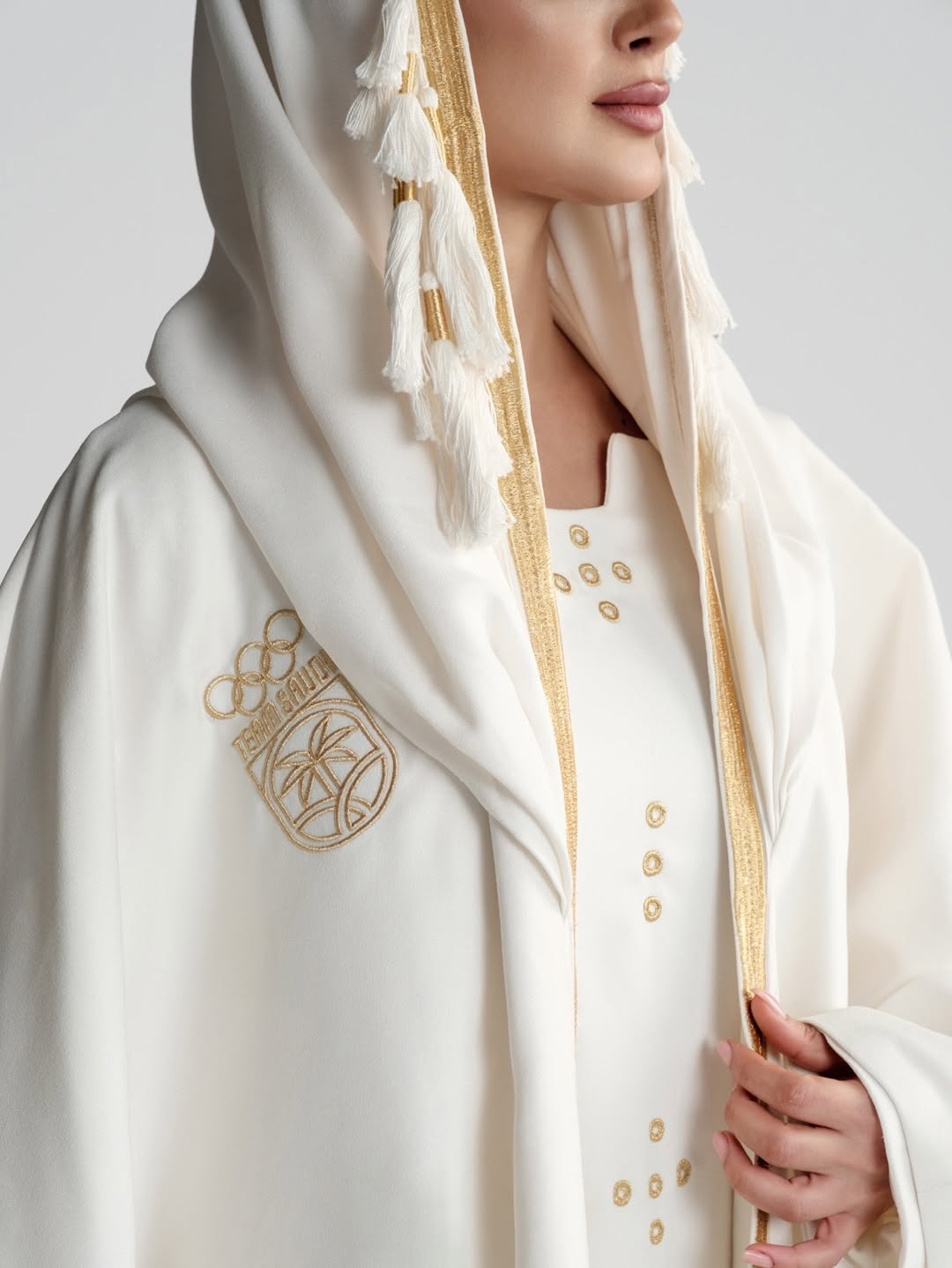
For the women’s look, she drew inspiration from the traditional “Al-Musaddah” (also known as the masdah) dress. Reintroduced through a contemporary cut with handcrafted detailing, the design honored Saudi craftsmanship while speaking fluently to a modern audience.
The appearance notably coincided with Friday, adding a deeply symbolic layer to the moment and reinforcing Saudi identity on an international platform.
The Strategic Symbolism Behind the Design
While the garment honored traditional Saudi dress codes such as modest cuts, structured lines, and heritage references, the integration of Team Saudi and Olympic logos added contemporary athletic symbolism. This careful balance achieved three strategic outcomes:
- Cultural Authenticity: Avoiding costume-like interpretations while preserving national identity.
- Global Relevance: Ensuring the design felt at home in Milan’s fashion ecosystem.
- Athletic Legitimacy: Reinforcing that this was not ceremonial fashion alone, but Olympic representation.
In global sports, presentation shapes perception. Saudi Arabia chose to present itself through elegance, discipline, and heritage rather than spectacle.
Milan as a Strategic Stage
Choosing Milan was no coincidence. Italy will host the 2026 Winter Olympics (Milano-Cortina), making the city the epicenter of winter sports fashion diplomacy. By appearing in Milan ahead of the Games, Team Saudi positioned itself early in the international conversation, a move that signals long-term planning rather than symbolic participation.
It also reflects Saudi Arabia’s increasing presence in global cultural capitals, from Paris couture weeks to international film festivals, as part of a broader rebranding effort under Vision 2030.
What This Means for Saudi Designers
For Saudi creatives, Alya Alsalmi’s selection is significant:
- It validates Saudi fashion talent on Olympic and international platforms.
- It signals growing institutional trust in local designers for global representation.
- It sets a precedent for future Olympic collaborations, potentially expanding into performance wear, ceremonial uniforms, and cultural showcases.
As Saudi Arabia continues investing in sports infrastructure, tourism, and mega-projects like NEOM’s Trojena, the intersection between fashion and sport will likely deepen.


The Bigger Picture: Fashion as National Strategy
Globally, Olympic fashion has evolved into cultural storytelling, rom Ralph Lauren’s USA uniforms to Stella McCartney’s Team GB collaborations. Saudi Arabia’s Milan appearance positions it within this evolving dialogue. This wasn’t simply about a runway moment. It was about rewriting narratives:
- A desert nation embracing winter sport.
- A Saudi designer commanding a Milan stage.
- An Arab country leading regional representation in Olympic fashion diplomacy.
In 2026, when Team Saudi steps into the Winter Olympic spotlight, the story will already have begun. Not on snow, but on a Milan runway where heritage met ambition. And Alya Alsalmi ensured it was dressed for history.
Follow ZiiMag as we spotlight more visionaries rewriting the future of Arab fashion.